

Can advanced technology really improve your trading outcomes? The forex market, known for its volatility and complexity, often leaves traders searching for an edge. Leveraging AI signals has emerged as a game-changer, enabling traders to make more informed decisions.
By integrating AI-driven insights into their trading strategies, individuals can potentially enhance their performance and navigate the markets more effectively. This approach has revolutionized the way traders operate, offering a more sophisticated and data-driven method of analyzing the market.
Key Takeaways
- Understand the role of AI signals in forex trading.
- Discover how to effectively integrate AI insights into your trading strategy.
- Learn about the benefits of leveraging AI signals for improved trading outcomes.
- Explore the potential of AI-driven trading approaches.
- Gain insights into enhancing your trading performance with AI signals.
Understanding AI Signals in the Forex Market
The integration of AI signals in Forex trading has revolutionized the way traders analyze and interact with the market. AI signals are being increasingly adopted by traders to enhance their trading strategies and improve decision-making.
What Are AI Signals and How Do They Work?
AI signals in Forex trading are generated using complex algorithms that analyze vast amounts of market data, including price movements, trading volumes, and economic indicators. These signals are designed to identify potential trading opportunities and predict market trends. The technology behind AI signals involves machine learning models that can learn from historical data and adapt to changing market conditions.
Some key features of AI signals include:
- Advanced data analysis capabilities
- Real-time market monitoring
- Predictive modeling for future market trends
The Evolution of AI in Forex Trading
The use of AI in Forex trading has evolved significantly over the years. Initially, AI was used for simple data analysis, but it has now advanced to include sophisticated predictive analytics and automated trading systems. The evolution of AI in Forex trading has been driven by the need for more accurate and timely market insights.
The Benefits of AI-Powered Trading Signals
AI-powered trading signals are revolutionizing the forex market by providing traders with more accurate and reliable data. This technological advancement is transforming the way traders operate, offering numerous benefits that enhance their trading experience.
Improved Accuracy and Reduced Human Error
One of the primary advantages of AI-powered trading signals is their ability to minimize human error. AI algorithms can analyze vast amounts of data without the emotional biases that often cloud human judgment. This leads to more accurate trading decisions and reduced risk of costly mistakes.
24/7 Market Monitoring Capabilities
The forex market operates around the clock, making it challenging for human traders to monitor it continuously. AI-powered systems can monitor the market 24/7, identifying opportunities and alerting traders to potential trades. This capability ensures that traders never miss a trading opportunity, even when they’re not actively watching the market.
Emotion-Free Trading Decisions
Emotions often play a significant role in trading decisions, leading to impulsive choices that can negatively impact trading outcomes. AI-powered trading signals eliminate emotional biases, providing traders with objective data to make informed decisions. By relying on AI signals, traders can maintain a disciplined approach to trading, even in volatile market conditions.
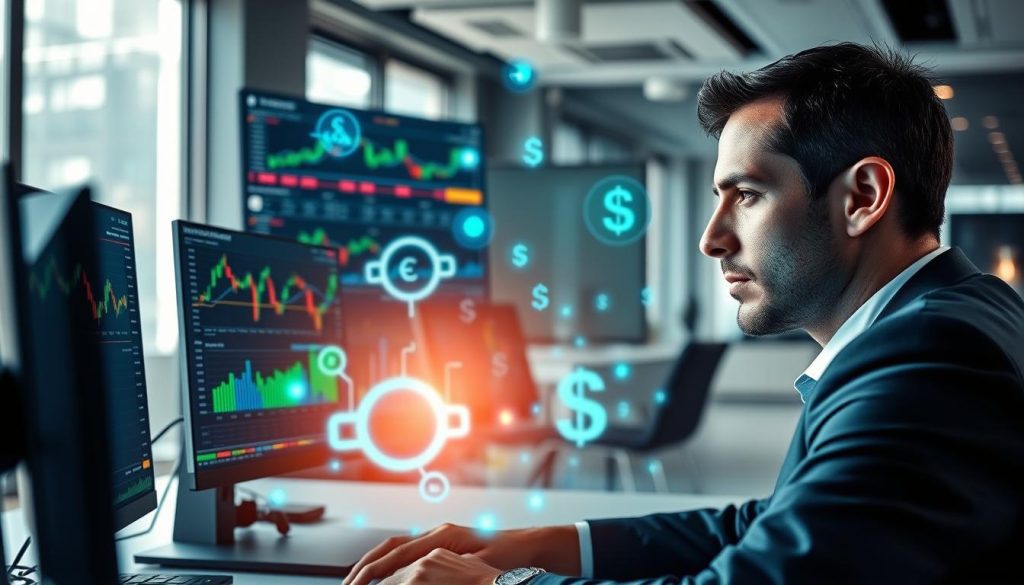
How to Use AI Signals in Forex Trading: A Step-by-Step Guide
To effectively leverage AI signals in Forex trading, it’s crucial to understand the step-by-step process involved. This guide will walk you through selecting the right AI signal provider, setting up your AI trading system, and interpreting AI-generated signals.
Selecting the Right AI Signal Provider
Choosing the right AI signal provider is a critical step in your Forex trading journey. You need to evaluate several factors to ensure you’re getting reliable and accurate signals.
Evaluating Signal Accuracy and Reliability
When assessing an AI signal provider, look at their historical performance data. A provider with a proven track record is more likely to deliver consistent results. Check for transparency in their methodology and ensure they provide detailed statistics on their signal accuracy.
Comparing Pricing Models
Different AI signal providers have varying pricing models. Some charge a flat monthly fee, while others have a performance-based pricing structure. Compare these models to determine which one aligns best with your trading budget and strategy.
| Pricing Model | Description | Pros | Cons |
|---|---|---|---|
| Flat Monthly Fee | Fixed cost per month | Predictable expenses | May not scale with performance |
| Performance-Based | Cost tied to signal performance | Aligns cost with results | Can be more expensive if signals are highly effective |
Setting Up Your AI Trading System
Once you’ve selected a provider, the next step is to set up your AI trading system. This involves integrating the AI signals into your trading platform. Most providers offer easy-to-follow instructions and customer support to help with the setup process.
Interpreting AI-Generated Signals
Understanding how to interpret AI-generated signals is crucial for making informed trading decisions. AI signals typically include buy/sell recommendations, stop-loss levels, and take-profit targets. Learn how to read these signals and incorporate them into your trading strategy.
By following these steps, you can effectively use AI signals to enhance your Forex trading performance. Remember to continuously monitor and adjust your strategy as needed to optimize your results.
Integrating AI Signals with Traditional Trading Strategies
The integration of AI signals with traditional trading approaches represents a significant evolution in Forex trading. By leveraging the strengths of both AI-driven insights and conventional analysis techniques, traders can develop a more robust and effective trading strategy.
Combining Technical Analysis with AI Insights
Technical analysis has long been a cornerstone of trading decisions in the Forex market. By combining traditional technical analysis with AI insights, traders can gain a more comprehensive understanding of market dynamics. AI can process vast amounts of data quickly, identifying patterns that may elude human analysts. For instance, AI can analyze historical price movements, trading volumes, and other market data to predict future trends.
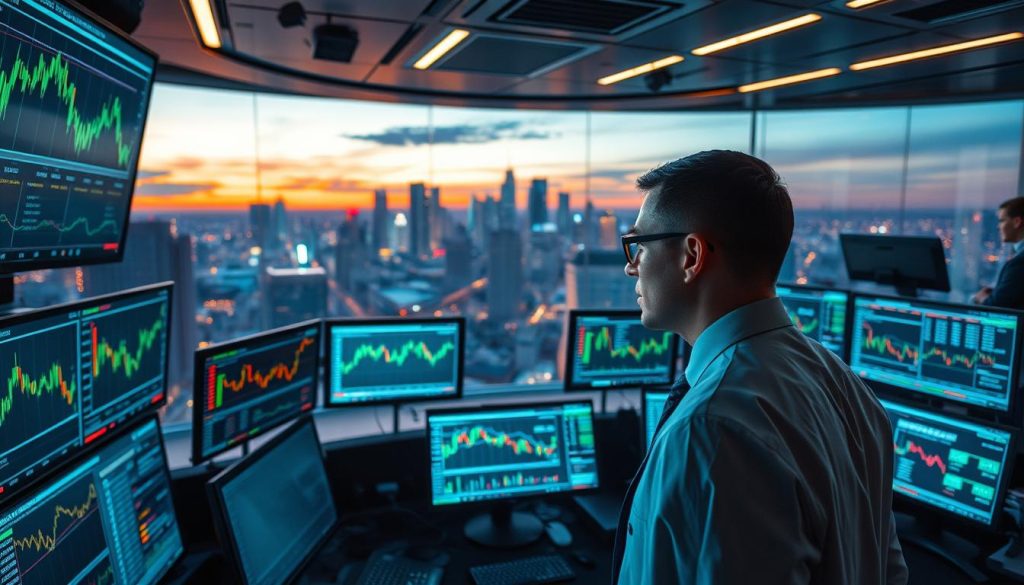
Here’s a comparison of traditional technical analysis and AI-driven insights:
| Aspect | Traditional Technical Analysis | AI-Driven Insights |
|---|---|---|
| Data Processing | Manual analysis of charts and patterns | Rapid processing of large datasets |
| Pattern Recognition | Limited by human observation | Advanced algorithms identify complex patterns |
| Predictive Capability | Based on historical data and human intuition | Enhanced predictive models using machine learning |
Using AI to Validate Your Trading Decisions
AI signals can also be used to validate trading decisions made using traditional analysis methods. By cross-referencing AI-generated signals with your own analysis, you can increase confidence in your trading decisions. This validation process can help reduce the risk of false signals and improve overall trading performance.
Key benefits of using AI to validate trading decisions include:
- Enhanced accuracy through cross-validation
- Reduced risk by avoiding false signals
- Improved trading confidence
By integrating AI signals with traditional trading strategies, traders can create a more sophisticated and effective approach to Forex trading. This hybrid strategy combines the best of both worlds, leveraging human intuition and AI-driven insights to navigate the complex Forex market.
Best Practices for Implementing AI Signals in Forex Trading
The effective integration of AI signals into Forex trading involves several key practices that can improve trading outcomes. By adopting these best practices, traders can maximize the benefits of AI technology while minimizing potential drawbacks.
Risk Management When Using AI Signals
Effective risk management is crucial when using AI signals in Forex trading. Traders should set clear stop-loss levels and position sizing to manage risk. It’s also essential to continuously monitor AI signal performance and adjust risk management strategies accordingly.
Avoiding Over-Reliance on Automation
While AI signals can significantly enhance trading decisions, it’s vital to avoid over-reliance on automation. Traders should combine AI insights with human judgment to validate trading decisions and adapt to changing market conditions.
Creating a Balanced Trading Approach
A balanced trading approach involves integrating AI signals with traditional trading strategies. This hybrid approach allows traders to leverage the strengths of both AI and human analysis, leading to more informed and robust trading decisions.
Maximizing Profits with AI Signals in the Forex Market
Forex traders can significantly enhance their profitability by leveraging AI signals effectively. AI signals provide traders with real-time market data analysis, enabling them to make informed trading decisions.
Optimizing Entry and Exit Points
AI signals help traders optimize their entry and exit points by analyzing vast amounts of market data. This includes identifying trends, predicting price movements, and detecting potential trading opportunities.
Leveraging AI for Different Market Conditions
AI can adapt to various market conditions, providing traders with flexibility in their trading strategies. Whether the market is trending, ranging, or experiencing high volatility, AI signals can help traders make the most of the situation.
Scaling Your Trading Strategy with AI
AI enables traders to scale their trading strategies effectively. By analyzing multiple currency pairs and market conditions simultaneously, AI helps traders diversify their portfolios and maximize profits.
| Market Condition | AI Signal Strategy | Potential Outcome |
|---|---|---|
| Trending Market | Follow the trend using AI-identified entry points | High profitability |
| Ranging Market | Use AI to identify range boundaries and trade within | Consistent returns |
| High Volatility | AI-driven risk management to mitigate potential losses | Protected capital |

Common Challenges and How to Overcome Them
As traders increasingly adopt AI signals in their Forex trading strategies, they often encounter several challenges that can impact their trading performance. Implementing AI signals effectively in Forex trading requires not only understanding the technology but also being aware of the potential pitfalls.
Dealing with False Signals
One of the primary challenges traders face is dealing with false signals. To mitigate this, traders can:
- Use multiple signal providers to cross-verify signals
- Implement robust risk management strategies
- Continuously monitor and adjust their trading parameters
By taking these steps, traders can reduce the impact of false signals on their trading results.
Adapting to Changing Market Conditions
AI signals can be highly effective in certain market conditions, but they may struggle during periods of high volatility or unexpected events. To adapt, traders should:
- Stay informed about market news and events
- Adjust their AI signal parameters to suit changing conditions
- Consider combining AI signals with traditional analysis methods
This flexible approach can help traders improve their trading results with AI signals.
Technical Issues and Troubleshooting
Technical issues can also arise when using AI signals. Traders should be prepared to troubleshoot common problems, such as:
- Connectivity issues with signal providers
- Software glitches or compatibility problems
- Data feed inaccuracies
By understanding these challenges and taking proactive steps to address them, traders can improve their overall trading performance and maximize the benefits of AI signals.
Conclusion: The Future of AI in Forex Trading
The integration of AI signals in forex trading has revolutionized the way traders operate in the market. By leveraging AI signals for successful forex trading, traders can now make more informed decisions, reduce human error, and increase their potential for profit.
As AI technology continues to evolve, we can expect to see even more sophisticated AI signals that can adapt to changing market conditions. Forex trading with AI signals is becoming increasingly popular, and it’s likely that this trend will continue as more traders discover the benefits of AI-powered trading.
The future of AI in forex trading looks bright, with potential developments in areas such as predictive analytics and machine learning. As the technology advances, traders will be able to refine their strategies and improve their outcomes. By staying ahead of the curve and embracing AI signals, traders can position themselves for success in the competitive forex market.